Billy wallson
Senior DirectorSome of the most beautiful lagoon islands are the ones that do not appear on the usual itinerary.
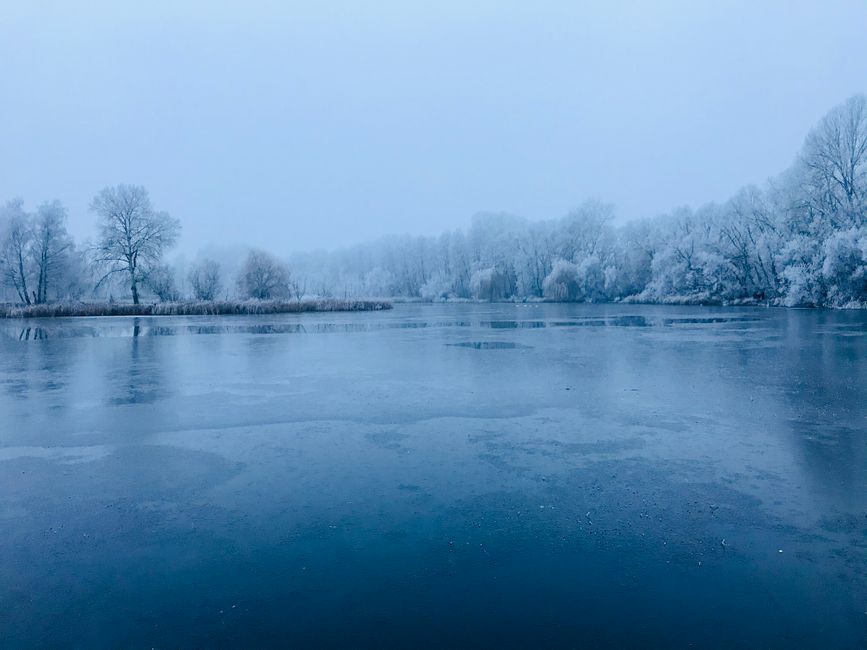
There is a moment, usually in late October, when a lagoon town exhales. The beach chairs get stacked, the gelato queues vanish, and the water takes on a steel-gray calm that feels almost conspiratorial. If you have only ever visited lagoons in July, you have never really met them. Winter, or at least the shoulder months, is when these places show their true character.
The first thing you notice is the sound. Or rather, the lack of it. In summer, a lagoon is a chorus of outboard motors, splashing children, and distant beach bars. In winter, you hear the water itself — the lap against stone jetties, the wind moving through reeds, the occasional cry of a gull that sounds less like noise and more like conversation. Locals will tell you this is when they finally get their town back, and after a day or two, you understand what they mean.
Winter lagoon travel is not about lying on a beach, and that is precisely the point. It is about walking. Put on a warm coat and follow the waterfront until the pavement ends and the mudflats begin. Many lagoon towns have network of raised paths, old fishing trails, and embankments that are unbearable in August heat but perfect in December. Birdwatchers know this well — the colder months bring migrating species that summer visitors never glimpse, and the low light makes every sighting feel like a small private discovery.
Food changes too. The seafood that defines lagoon cuisine in summer shifts toward heartier preparations: broths, stews, grilled eels, and the kind of slow-cooked dishes that make no sense on a hot day. Restaurants that require reservations weeks in advance in July will seat you by the window without a booking. Ask what is fresh, not what is famous, and you will eat better than any summer tourist.
Beyond the atmosphere, there is a straightforward argument: cost and access. Accommodation rates in lagoon destinations can drop dramatically outside peak season, sometimes by half or more, and the same rooms that felt cramped and overpriced in summer suddenly feel generous. Ferries and water buses run on reduced schedules, so check timetables carefully, but they are rarely crowded. Museums and churches that had hour-long queues in August are quiet enough to actually enjoy.
The trade-off is weather, and you should be honest about it. Winter lagoons can be foggy, damp, and windy. Some island restaurants close entirely. But if you pack properly and adjust your expectations — this is a trip for wandering, reading, and eating, not swimming — the payoff is a version of these places that feels almost personal. The lagoon does not perform for you in winter. It just exists, and lets you exist alongside it.
Go for three or four nights, not one. One night feels bleak; four nights feels like a secret. Bring a book, bring layers, and leave the itinerary at home. The lagoon will set the pace, and in winter, that pace is exactly right.

You do not need fancy gear or a life list to enjoy the birds that gather where fresh water meets salt.

From clam stew to grilled mullet, the best meals in lagoon towns are the ones that come straight from the water.
From clam stew to grilled mullet, the best meals in lagoon towns are the ones that come straight from the water.

Some of the most beautiful lagoon islands are the ones that do not appear on the usual itinerary.

Some of the most beautiful lagoon islands are the ones that do not appear on the usual itinerary.

Skip the main canal crowds and spend your days hopping between the small islands that make the Venetian Lagoon feel like a different world.

Copyright © 2026 Lagoon Lines. All Rights Reserved.


Roseanne Williams
Sep 30, 2026 ReplyWhen the summer crowds thin out, lagoon towns reveal a slower, softer side that most travelers never see.