Billy wallson
Senior DirectorSkip the resort strip and settle into the fishing villages where the Ria Formosa shapes daily life.
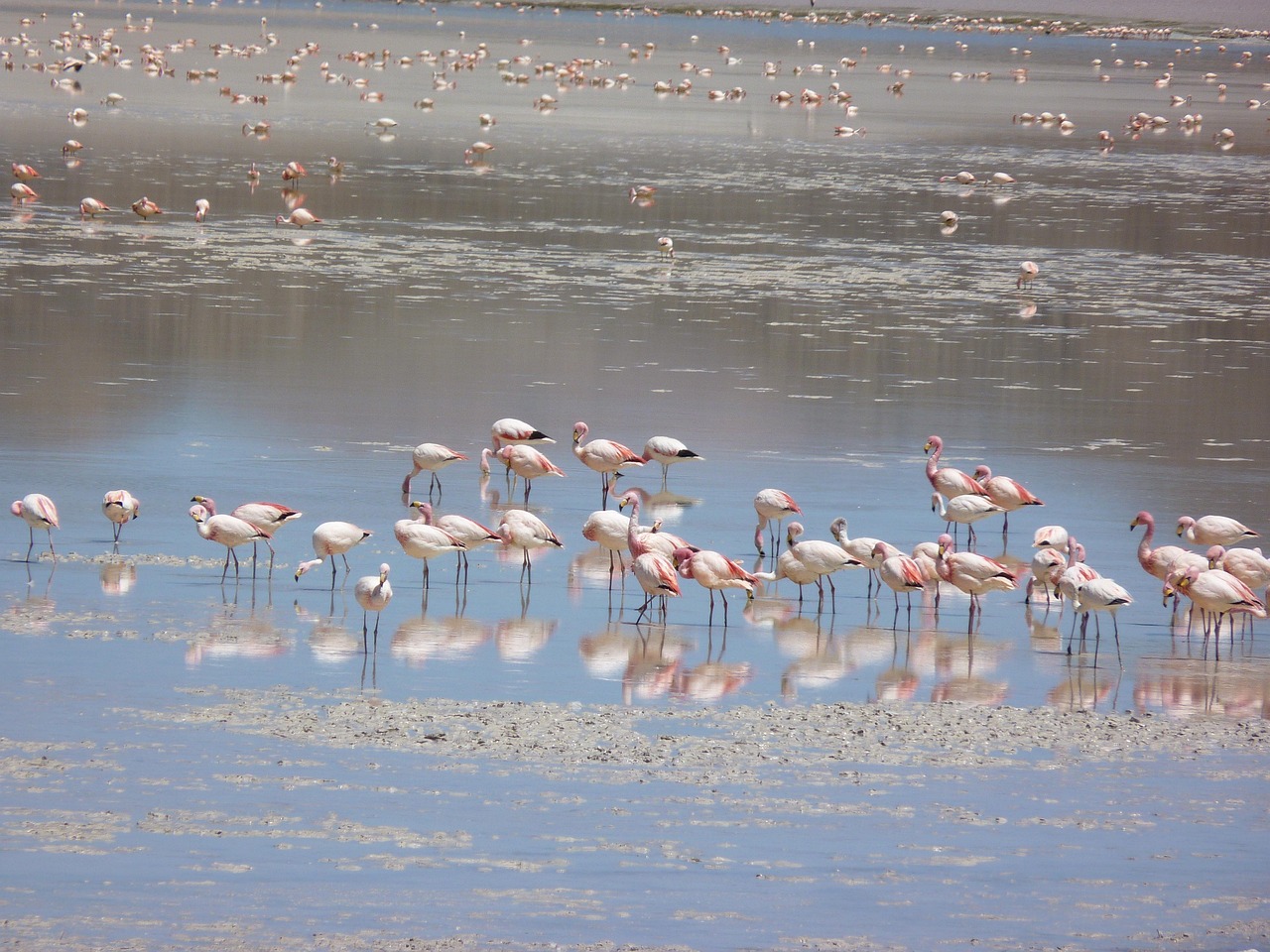
Lagoons are magnets for birds. The reason is simple: they are transition zones. Fresh water meets salt water, shallow areas give way to deeper channels, and the mix of mudflats, seagrass, and open water creates a buffet that attracts species from both land and sea. For a beginner birdwatcher, this is good news. You do not have to hike into a remote forest or wake up before dawn to find something interesting. You just have to stand still and look.
The first thing you will notice is the size range. Lagoons host everything from tiny sandpipers that scurry along the waterline to herons that stand motionless for what feels like hours, waiting for a fish to make a mistake. In between are ducks, terns, gulls, ospreys, and the occasional flamingo, depending on where you are. The variety can be overwhelming, but it is also forgiving. You do not need to identify every bird. You just need to watch.
Start with the waders. These are the long-legged birds that feed in shallow water: herons, egrets, ibises, and spoonbills. They are large, slow-moving, and often brightly colored, which makes them ideal for beginners. A great egret, for example, is unmistakable: tall, white, with a long yellow bill and a graceful S-curve to its neck. A little blue heron is smaller and darker, with a habit of standing perfectly still before stabbing at the water. Once you can tell those two apart, you are already ahead.
Where you look matters as much as what you look for. Different birds prefer different parts of the lagoon. Dabbling ducks, like mallards and teals, tend to stay in the shallower, more sheltered areas, where they can tip forward to feed without diving. Diving ducks, like mergansers, prefer deeper water and disappear completely beneath the surface for long stretches. Terns and gulls are usually in the air or on sandbars, while ospreys scan from a high perch or hover over open water before plunging in.
Time of day makes a difference. Early morning is best for two reasons: the light is softer, and the birds are more active. As the day heats up, many species become lethargic and seek shade. The hour before sunset is also good, especially for herons and egrets, which often feed more actively as the light fades. Tides matter too. In tidal lagoons, low tide exposes mudflats that are rich in invertebrates, drawing in large numbers of shorebirds. High tide pushes them closer to the shore, where you can often see them more easily.
Binoculars help, but they are not essential. A pair of 8x42 binoculars is a good starting point: light enough to carry, powerful enough to see detail, and not so expensive that you will cry if you drop them in the water. A simple field guide or a phone app can help with identification, but do not let the pursuit of a name distract you from the pleasure of watching. Some of the best moments come from simply observing behavior: a heron slowly lifting one foot and placing it down without a ripple, or a flock of sandpipers turning in unison as if they were a single organism.
Birdwatching in lagoons comes with responsibilities. Stay on designated paths or in your boat. Do not approach nests or chicks, and keep your distance from feeding flocks. If a bird changes its behavior because of you, you are too close. Keep your voice down, avoid sudden movements, and never use playback calls to lure birds closer. These are wild animals, and the lagoon is their home, not a stage.
If you are paddling or boating, slow down and keep to deeper channels. Wake can erode shorelines and disturb nesting birds. If you see a bird in distress, like a fishing line tangled around a leg, report it to a local wildlife authority rather than trying to intervene yourself.
The reward for all this patience is not a checklist. It is a shift in attention. After a few hours on a lagoon, you start to notice things you would have walked past before: the way a kingfisher flashes blue as it darts across a channel, the sound of an osprey calling from a dead tree, the sudden silence when a hawk passes overhead. The lagoon teaches you to look, and then it keeps giving you reasons to keep looking.

Skip the resort strip and settle into the fishing villages where the Ria Formosa shapes daily life.

Trade motorboats for a paddle and discover the silent, tunnel-like waterways where mangroves meet the sea.
You do not need fancy gear or a life list to enjoy the birds that gather where fresh water meets salt.

From clam stew to grilled mullet, the best meals in lagoon towns are the ones that come straight from the water.

Skip the resort strip and settle into the fishing villages where the Ria Formosa shapes daily life.

From clam stew to grilled mullet, the best meals in lagoon towns are the ones that come straight from the water.

Copyright © 2026 Lagoon Lines. All Rights Reserved.


Roseanne Williams
Sep 27, 2026 ReplyYou do not need fancy gear or a life list to enjoy the birds that gather where fresh water meets salt.