Billy wallson
Senior DirectorWhen the summer crowds thin out, lagoon towns reveal a slower, softer side that most travelers never see.
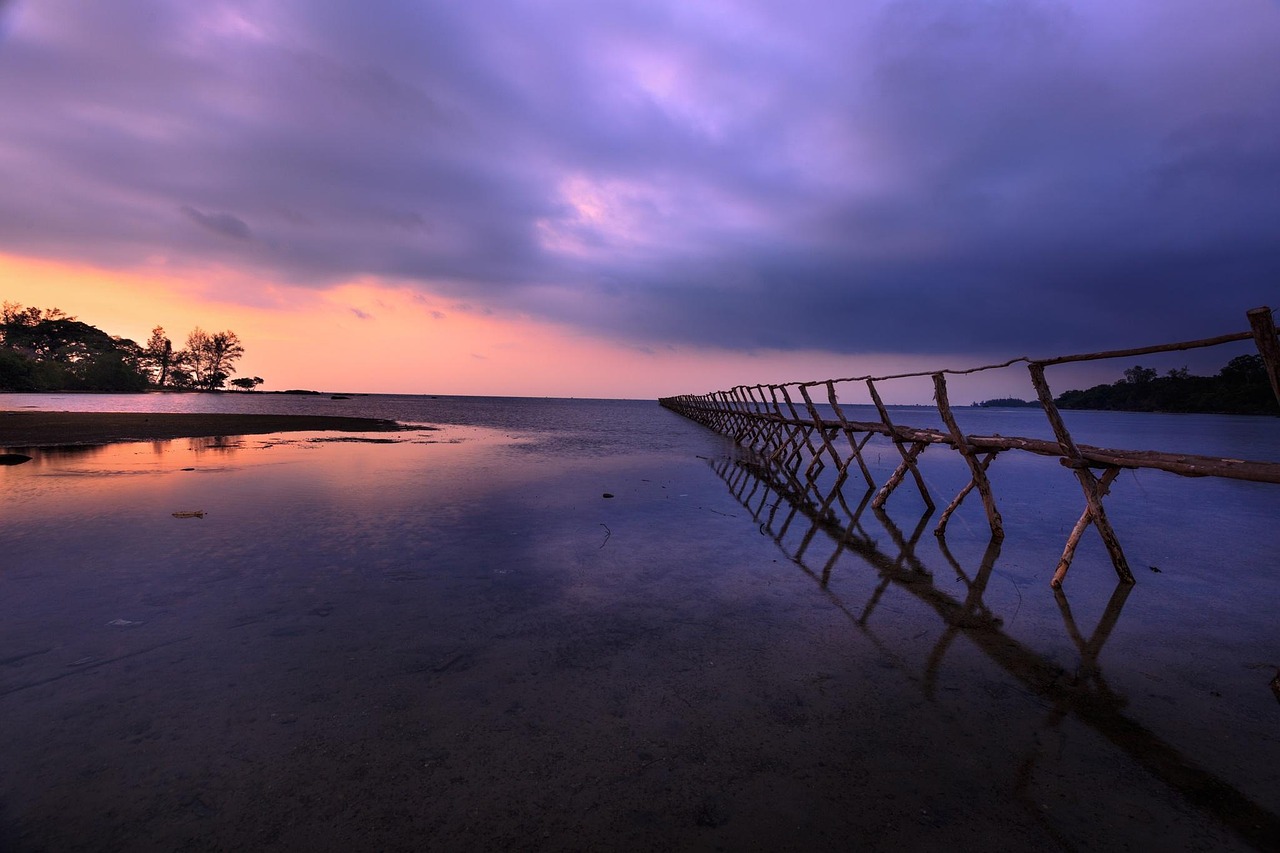
Most visitors treat the Venetian Lagoon as a backdrop — something you glimpse from a vaporetto on the way to somewhere else. That is a mistake. The lagoon is not scenery; it is a destination in its own right, a shallow inland sea scattered with islands that each have their own rhythm, economy, and personality. Give it two or three days and it will quietly become the highlight of your trip.
The key is to move slowly and resist the urge to tick off islands like attractions. These are working communities, not theme parks, and the best experiences tend to be unplanned: a bench on a quiet canal, a bakery that sells out by ten in the morning, a fisherman mending nets while you eat lunch nearby.
Start with the ones that still feel lived-in. Burano, with its painted houses, is the famous one, and it deserves the reputation — but go early, before the day-trippers arrive, and wander past the main street into the residential lanes where laundry hangs and cats rule the alleys. Murano, known for glass, is more commercial but still fascinating if you visit an actual workshop rather than a showroom; watching a glassblower work is worth the trip alone.
Then there are the quieter ones. Mazzorbo, connected to Burano by a footbridge, has a vineyard and almost no tourists. Sant'Erasmo is farmland — actual farmland, growing artichokes and radicchio — with a flat perimeter path perfect for cycling. Torcello is nearly abandoned but holds one of the oldest churches in the lagoon, with mosaics that will stop you mid-step. Each of these rewards a half-day, not a photo stop.
The public waterbus system connects most of these islands, and a multi-day pass is almost always worth the cost. But the schedules are not intuitive, and connections can eat your afternoon if you plan poorly. The trick is to group islands geographically: Burano, Mazzorbo, and Torcello sit close together in the northern lagoon and can be done in one relaxed day. Murano is on a different line and works better as its own outing.
Eat on the islands rather than back in the city. The food is simpler and often better — lagoon seafood, risotto, and in spring, the famous purple artichokes of Sant'Erasmo. Bring cash for the smaller spots, and do not expect English menus everywhere. A few words of Italian go a long way, and a smile goes further.
Above all, leave space in your plan. The lagoon rewards idleness. Sit on a jetty. Watch the light change. Let a boat leave without you and catch the next one. That is not wasted time — that is the entire point.

Trade motorboats for a paddle and discover the silent, tunnel-like waterways where mangroves meet the sea.

Some of the most beautiful lagoon islands are the ones that do not appear on the usual itinerary.
Skip the resort strip and settle into the fishing villages where the Ria Formosa shapes daily life.

You do not need fancy gear or a life list to enjoy the birds that gather where fresh water meets salt.

When the summer crowds thin out, lagoon towns reveal a slower, softer side that most travelers never see.

A practical, honest packing list for lagoon destinations, where the weather shifts fast and the ground is often wetter than you expect.

Copyright © 2026 Lagoon Lines. All Rights Reserved.


Roseanne Williams
Oct 3, 2026 ReplySkip the main canal crowds and spend your days hopping between the small islands that make the Venetian Lagoon feel like a different world.